
Dubai Property Investment Guide 2026
Independent data, expert insight, and a clear path to connecting with the right licensed professionals for your Dubai investment
6–10%
Gross rental yield in top Dubai investment areas
0%
Tax on rental income and capital gains
AED 2M
Minimum purchase for 10-year Golden Visa eligibility
#1
Dubai ranked top city for cross-border real estate investment (Knight Frank 2024)
Why Dubai Outperforms Most Global Property Markets
Dubai has consistently attracted international real estate capital for good reason. The combination of high yields, zero property-related taxes, strong legal frameworks, and a rapidly growing population creates a compelling investment case — whether you are looking for passive rental income, capital appreciation, or a tax-efficient asset base.
- No property tax, income tax, or CGT: All rental income and gains are tax-free for individuals
- High rental demand: Dubai’s population grew by 100,000+ in 2024, supporting strong occupancy rates
- Golden Visa pathway: Property investment of AED 2M+ qualifies for a 10-year UAE residency visa
- Strong legal protections: RERA escrow requirements, DLD title registration, and RICS-standard valuations protect investors
- Flexible payment structures: Developer off-plan payment plans (10–20% down, pay over 5 years) reduce capital outlay
- Liquidity: Dubai’s secondary market is among the most liquid in the GCC, with consistent transaction volumes
- Currency peg: AED is pegged to USD, eliminating forex volatility for USD-denominated investors
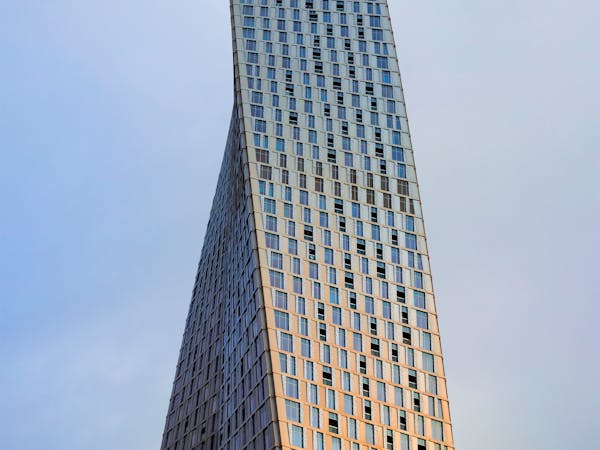
Top Investment Areas in Dubai 2026
Different areas offer different risk-return profiles. Understanding each market is key to smart allocation.
Dubai Marina
Yield: 6–8% | Profile: Established, high liquidity, strong short-term rental demand. Suited to investors seeking consistent cash flow with a proven exit market.
Jumeirah Village Circle (JVC)
Yield: 7–10% | Profile: Affordable entry point, high yields, large tenant pool. Best for investors optimising for rental income over capital appreciation.
Downtown Dubai
Yield: 5–7% | Profile: Premium location, strong capital appreciation potential, globally recognised address. Attracts luxury short-term rentals and HNW long-term tenants.
Palm Jumeirah
Yield: 5–8% | Profile: Ultra-luxury, limited supply, strong UHNW demand. Villas and signature apartments command premium prices with significant appreciation potential.
Dubai Hills Estate
Yield: 5–7% | Profile: Family-oriented community, strong villa demand, proximity to top schools. Long-term tenants and families seeking suburban quality of life.
Business Bay
Yield: 6–8% | Profile: Central location, strong corporate tenant demand, proximity to DIFC and Downtown. Consistent occupancy rates and growing infrastructure.
Off-Plan vs Secondary Market: Which is Right for You?
Off-Plan Property
- Lower entry price (pre-completion discount)
- Flexible developer payment plans (10–20% now, balance over years)
- Capital appreciation potential before handover
- Option to resell (assign) before completion
- Risk: developer delays or project changes
- Best for: investors with 3–5 year horizon willing to accept construction risk
Secondary Market (Ready) Property
- Immediate rental income from day one
- No construction risk — you see what you buy
- Mortgage financing available (up to 75–80% LTV for UAE residents)
- Established communities with known service charges
- Higher entry price than equivalent off-plan
- Best for: investors wanting immediate cash flow or end-users seeking an established home
How Premium DBX Supports Your Investment Journey
1
We Educate You
Independent market data, area yield comparisons, and investment strategy guides — all free, with no agenda.
2
We Match You
Once you are ready to invest, we connect you with licensed RERA investment specialists who know your target area inside out.
3
They Execute
Your RERA-licensed advisor handles sourcing, negotiation, due diligence, DLD registration, and ongoing property management referrals if needed.
Frequently Asked Questions: Dubai Property Investment
What is the minimum investment to buy property in Dubai?
There is no official minimum, but in practice studio apartments in communities like JVC or International City start from around AED 350,000–500,000. For a 1-bedroom in Dubai Marina or Downtown, expect AED 900,000 upward. For Golden Visa eligibility, the threshold is AED 750,000 (2-year visa) or AED 2 million (10-year visa).
How does the Dubai Golden Visa work for property investors?
Investors who purchase real estate worth AED 2 million or more (in a single property or combination of properties) can apply for the 10-year UAE Golden Visa. The property must be fully paid (not mortgaged) or the paid portion must reach AED 2M. The Golden Visa grants full residency rights, including the ability to sponsor family members. Requirements are subject to change — always verify with a UAE immigration specialist.
Can I get a mortgage in Dubai as a non-resident?
Non-resident foreign nationals can obtain mortgages from UAE banks, but LTV limits are lower: typically 50% for properties under AED 5M, and up to 75% for higher-value assets in some cases. UAE residents can access mortgages up to 80% LTV on first homes. Interest rates and eligibility criteria vary by bank — a licensed mortgage broker can help you compare options.
What taxes apply to property investors in Dubai?
Dubai imposes no income tax, capital gains tax, or annual property tax on real estate. There is a one-time 4% DLD transfer fee on purchase. A 5% municipality fee applies to annual rent (paid by tenants in most cases). Corporate entities may be subject to UAE corporate tax (9%) on profits, but individual investors are not. Always consult a tax professional regarding your home country’s tax obligations on foreign income.
Is short-term rental (Airbnb) legal in Dubai?
Yes. Short-term holiday rentals are regulated by the Dubai Tourism Authority (DTCM). Property owners must register their unit and obtain a holiday home licence. Management can be handled personally or through a licensed holiday home operator. Short-term rental yields in areas like Downtown, Marina, and Palm can be significantly higher than long-term yields, but occupancy rates and platform fees must be factored into the analysis.
How do I evaluate the risk of off-plan projects in Dubai?
Key risk indicators to assess include: developer track record and completion history, RERA escrow account compliance (funds held in a separate escrow protect buyers if the developer defaults), construction progress, location and infrastructure timeline, and the resale (assignment) market liquidity. Always review the SPA carefully with a qualified lawyer before committing.
Ready to Invest in Dubai Property?
Tell us your investment goals and we will connect you with a licensed RERA investment advisor who specialises in your target area and budget.
Get in Touch
Disclaimer: Premium DBX is an independent information and guidance platform. We are not licensed under RERA and do not facilitate, broker, or manage property transactions. All transactional activity is carried out exclusively by licensed RERA-registered professionals. Information on this page is for educational purposes only and does not constitute financial or legal advice.